CATEGORY: Social Networking PRICE: Free – Offers In-App Purchases AGE RATING: 12+
Have you ever been to a concert and thought, “I wish I could give this performance a thumbs-up or a thumbs-down”? I have, many times. This made me wonder how such a solution would look and work, and that’s exactly what I set out to tackle with this project.
My goal was to transform the live music experience by empowering users to vote on performances & event success through a mobile app. I aimed to address bias & legal concerns by implementing a democratic voting system and utilising GPS technology to ensure fairness & inclusivity.
FIGMA PROTOTYPE
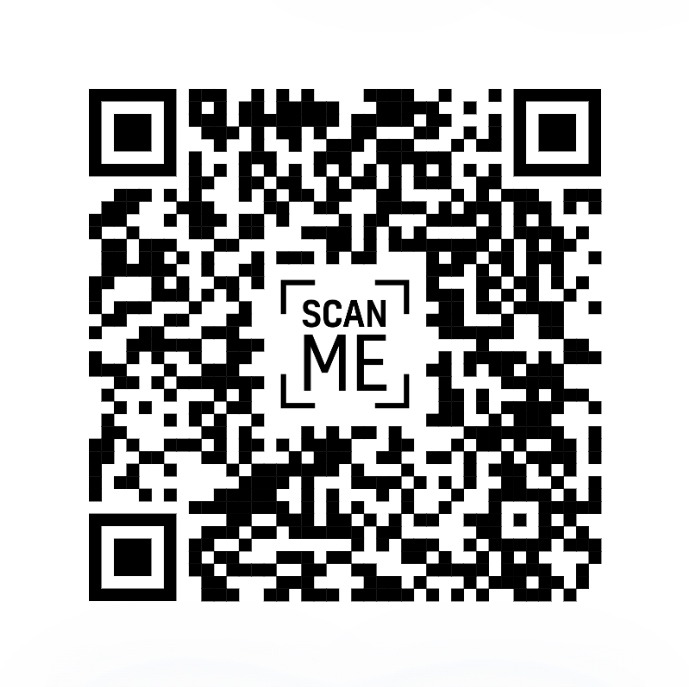
They say the proof is in the pudding. A prototype serves as a preliminary version of a product, helping to clarify its concept. One of my key UX skills is prototyping in Figma. Scan the QR code with your phone or click here to view my prototype.
GOALS & OBJECTIVES
Hosting a requirements gathering workshop, whether virtual or in person, offers a valuable opportunity to collect essential information.
During this brainstorming session, we explore dynamic design sprint techniques such as Crazy 8’s, empathy mapping, and uncovering customer experience insights to improve the process. Crafting a robust blueprint for any project begins with establishing a solid foundation, and an effective strategy addresses the fundamental questions of who, what, how, where, when, and why. After all, why settle for ordinary when you can elevate the dynamism?
WHY?
What’s the purpose of the solution?
Extensive market research reveals that it’s crystal clear the music industry is in dire need of a remix – a mashup of innovation and tradition. Imagine event organizers stuck in a loop booking the same old acts, performers taking gigs blindfolded and hitting a sour note, and new talent left stranded like fish out of water. So, why not hand the reins to the audience? Who better to drop the beat on what truly strikes a chord with them?
WHO?
Who are the users?
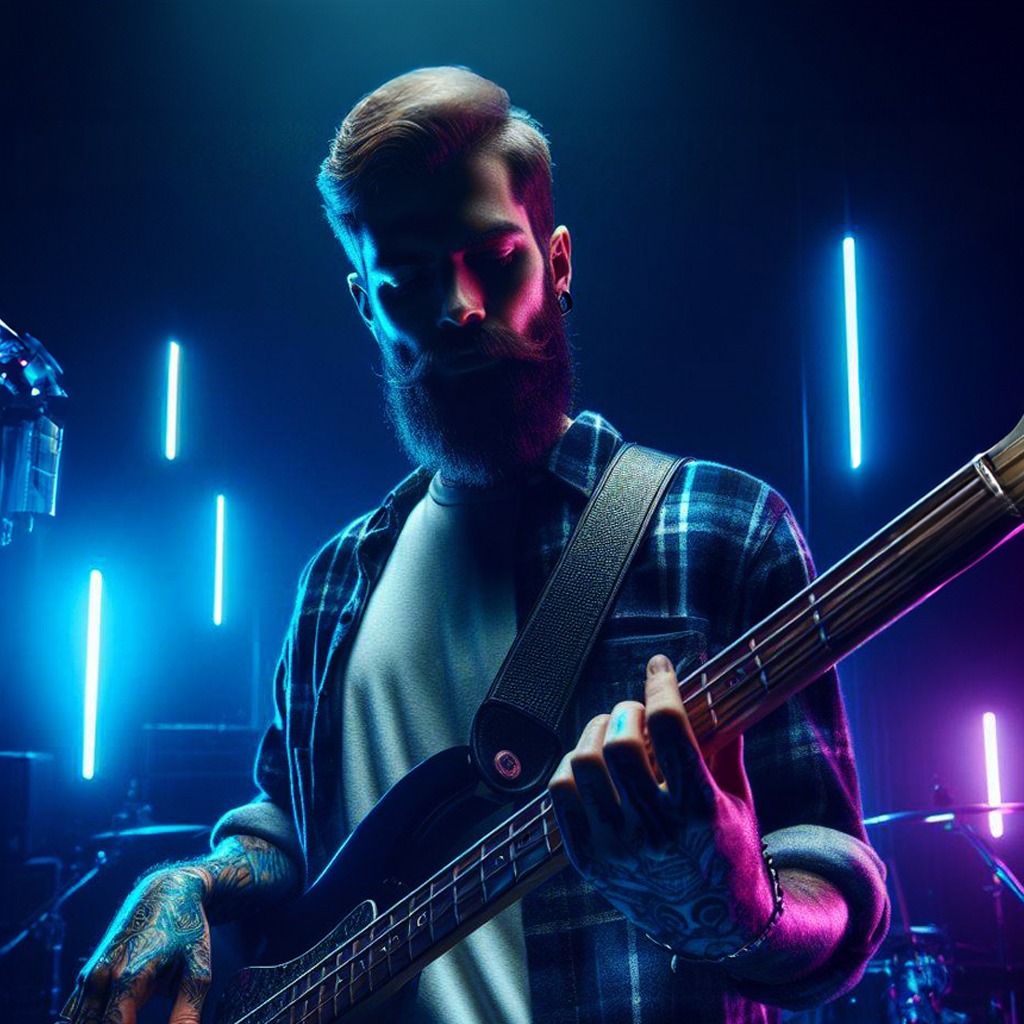
ARTIST: Solo artists, groups, and bands constitute the core user base that makes this application thrive. Their user-generated content is invaluable.
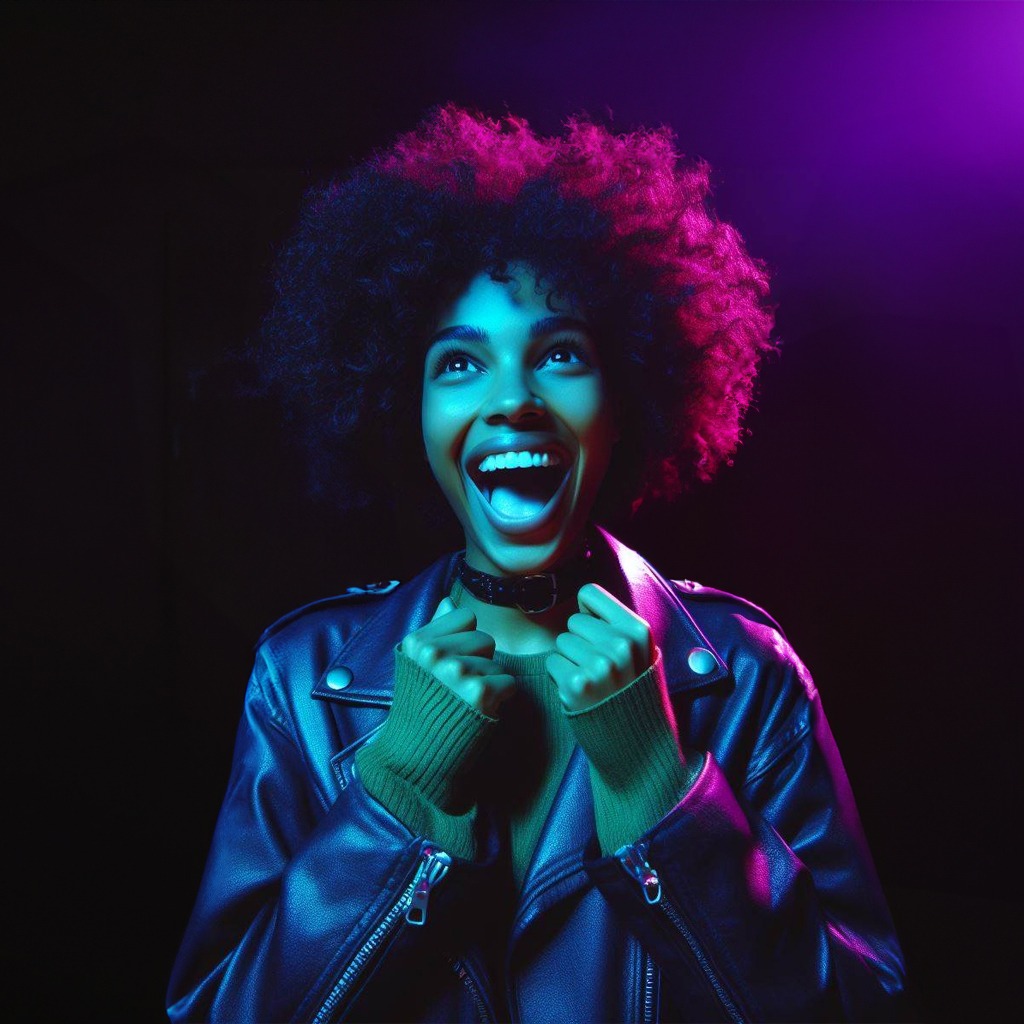
MUSIC FANATICS & ESSENTIAL SERVICES: This persona is crucial to the app’s success. Without their engagement and votes, the platform becomes irrelevant.
CLUB OWNERS, MANAGEMENT & EVENT ORGANISERS: They provide valuable insights as they understand their customers best. From an analytical perspective, they can gain from using the app.
WHAT?
What do the users do?
Our mission? To enable artists to create and maintain profiles that can be added to events, giving fans, sound engineers, photographers, and designers the golden ticket to cast their votes on performances and event successes via GPS. With a democratic voting system in place, we’re eliminating bias and legal complications faster than you can say “encore”!
HOW?
How do they perform those tasks?
We’re developing a mobile app using the sleek, open-source UI software development kit, Flutter, straight from Google labs accompanied with an Angular driven back end . Users will navigate their way to glory using their personal laptops and smartphones by downloading the app from the app store or engaging through a reliable back office. While some features are accessible without signing in, casting votes, updating the database, or organising events require those essential sign-in credentials.
WHERE?
Where are these people when they perform their tasks?
Picture event organizers and club owners calling the shots from their bustling offices or lounging at home, plotting the next big event. Meanwhile, music buffs, artists, and photography enthusiasts will be using the app at clubs or festivals, primed to cast their votes and capture the magic. So whether you’re crunching numbers or jumping on the dance floor, this app’s got your back!
WHEN?
When do they perform these tasks?
For event organisers and club owners, it’s like having a trusty sidekick available at their beck and call—ideally a few months before showtime. There’s no strict schedule or designated hotspot for their antics. As for music buffs, artists, and photography enthusiasts, they’ll dive into the action during events, casting their votes with gusto. Leaderboard checks are fair game whenever the mood strikes! So whether you’re prepping for the big show or taking a sneak peek behind the scenes, this app’s got you covered, anytime, anywhere!
APP’s FEATURES
In a requirements gathering workshop, identifying app features is a collaborative process involving stakeholders, designers, and users. The workshop begins with discussions to understand user needs, business objectives, and technical constraints. This structured approach ensures that the app’s features are user-centric, feasible, and aligned with the overall vision of the project.
NEWS FEED
Overview of upcoming events, trending artists, & recent activity.
USER AUTH
Register & sign-in screens for users.
PROFILE
Digital representation containing personal info, & preferences.
EVENTS
Wizard to create new events. Name, date, location, artwork, & description.
EVENTS
Dashboard to manage events already created.
VOTING SYSTEM
Interface for users to find an event & vote .
LEADERBOARD
Rankings of artists & venues based on votes received.
NOTIFICATIONS
Push notifications for updates, reminders, & artist performances,
SEARCH
Search functionality to find results based on location, genre, or popularity.
ADMIN
Back-office feature for admin users to manage master data.
SETTINGS
User settings to personalise the app experience.
FEEDBACK
Help and support section with FAQs and contact information.
UI/UX
Intuitive user interface with easy navigation and visually appealing design.
ANALYTICS
Analytics dashboard for administrators to track app usage, user engagement.
OFFLINE MODE
Ability to access certain features of the app in offline mode.
TECH STACK
This phase is like trying to fit a square peg into a round hole—except we’re talking about understanding the limitations imposed by the tech and frameworks we’re using.
It’s like laying down the foundation for our UX and UI, where every decision we make has the potential to either make our app soar or crash and burn. Think of it as the backstage crew making sure the show runs smoothly—without them, chaos ensues! So, in this phase, we’re rolling up our sleeves and getting our hands dirty, diving into requirements, getting acquainted with platforms, and choosing which development technologies and APIs to bring to the party. It’s like picking out the perfect ingredients for a recipe—except our recipe is for a killer app!
Flutter
An open-source UI software development kit pioneered by Google.
Angular
Angular is a TypeScript-based, free & open-source single-page web application framework.
Material Design
Backed by open-source code, this streamlines collaboration between designers & developers
CUSTOMER EXPERIENCE (CX)
USER PERSONAS
We need to uncover the deepest desires, quirks, and frustrations of our end-users. To tackle this mystery, we’re diving headfirst into user research, addressing problems like the never-ending booking loop and the uphill climb for smaller bands. It’s like solving a puzzle, except instead of hunting for clues, we’re deciphering the riddles of user needs, preferences, and behaviours. Our cast of characters includes a diverse bunch and armed with our trusty magnifying glass, we’ll craft user personas to guide us through the labyrinth of journey mapping and maybe even inspire the blueprints of our information architecture.
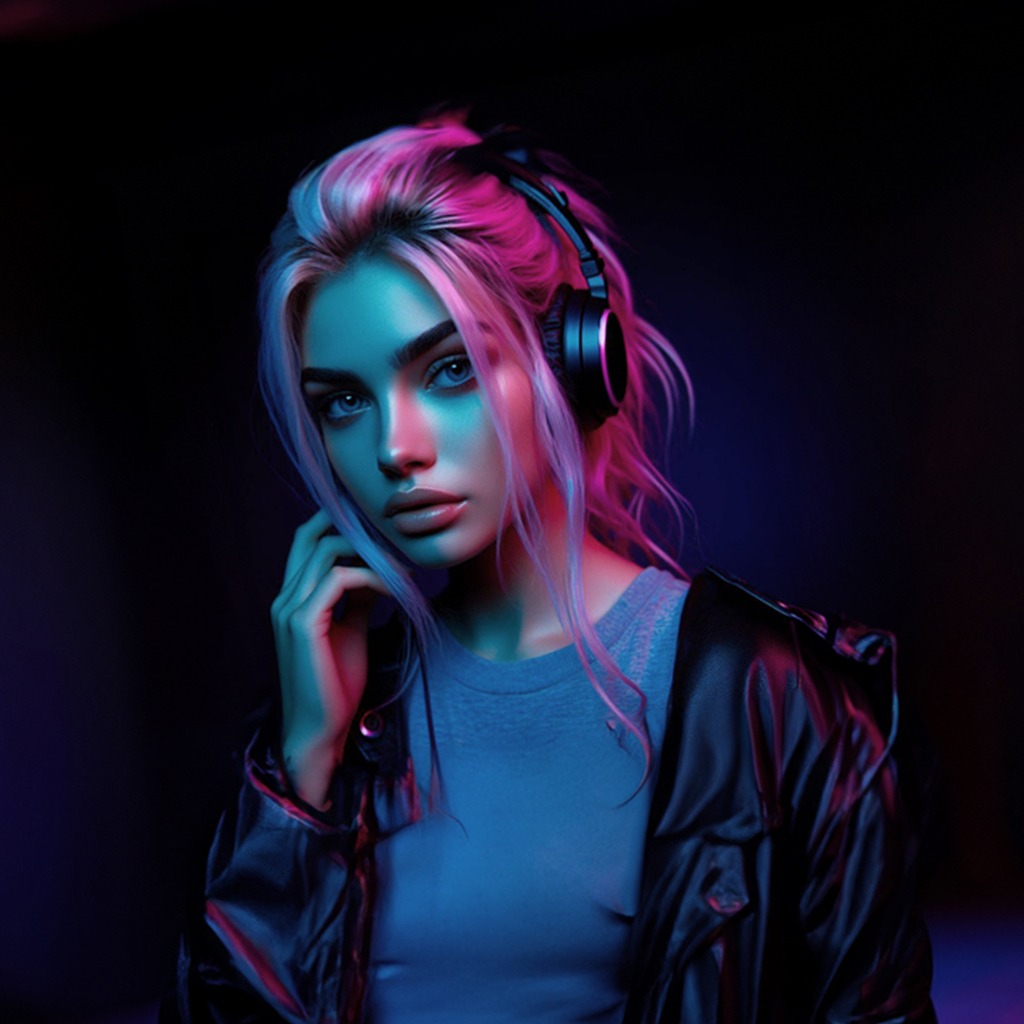
These fictional characters are like the stars of our digital stage—each one brimming with personality, preferences, and potential pitfalls. Identifying your target audience is like putting together a killer playlist—mixing those who’ll groove the most with those who’ll drop the crucial beats for our app’s success. We’ve gathered five primary user groups for this mobile app: musicians, music enthusiasts, club owners, event organisers, and the unsung heroes like photographers, sound engineers and graphic designers. Now, onto the fun part: crafting user personas! So, let’s grab our headphones and dive into the world of TUNETREND personas!
Building a brand involves defining your vision, mission, values, and target audience. Conduct market research to understand competitors and trends.
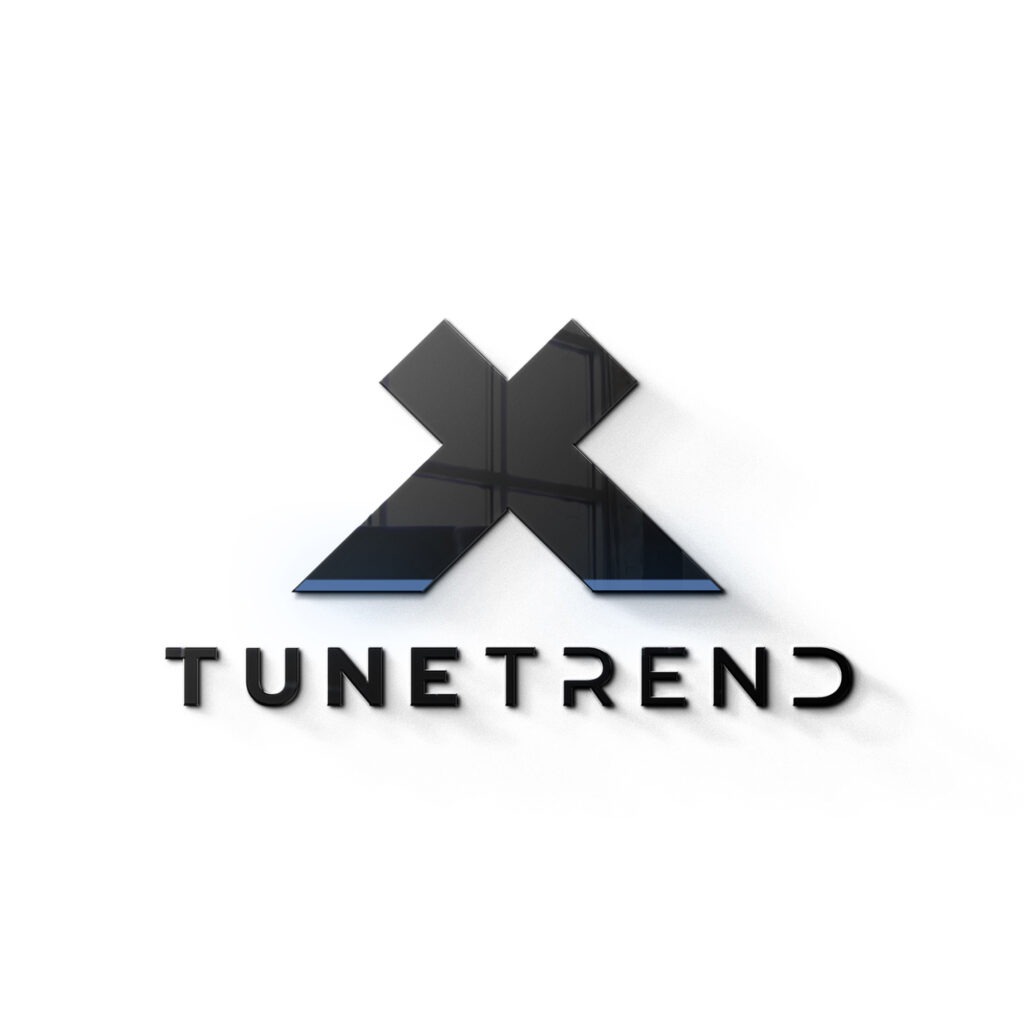
We developed a memorable name, logo, and consistent visual identity. We created a brand strategy with clear positioning and unique selling propositions. We established an online presence through a professional website, social media, and content marketing. We ensured a positive customer experience at every touchpoint. Consistency, authenticity, and active engagement were key to building our strong, successful brand for TuneTrend.
Let’s dive into the competitor analysis, focusing on popular social media platforms. Facebook has a vast user base and powerful event tools but struggles with privacy issues and declining youth interest. Instagram thrives on visual content and high engagement among younger users, though it has limited link-sharing options. Twitter is known for real-time updates and trending topics but is limited by character constraints and harassment problems. TikTok enjoys high engagement with its short, viral videos but faces privacy concerns. TuneTrend can differentiate itself with real-time voting, a vibrant music community, engaging video content, and transparent voting systems.
Using the initials of each word in TuneTrend to create an X for the logomark is a brilliant choice. The X symbolises the intersection of music and technology while resembling the mark made next to your choice on a voting ballot. This design emphasises real-time voting, community engagement, and transparency, making the logo both meaningful and memorable.
The colour palette reflects the dynamic and vibrant energy of live music experiences. The shades of blue evoke a sense of reliability and professionalism, while the deep purple and dark navy add a touch of creativity and mystery. Together, these colours create a visually striking palette that resonates with our innovative and engaging brand identity.
Dynamic and vibrant energy of live music experiences!
#4385C7
#2C5F92
#042959
#050840
#510273
UX & UI
As this project serves more as a showcase of my comprehensive understanding of the entire process, and considering its modest scale and solo effort, the UX and UI phases were seamlessly merged throughout.
Taking a holistic approach, I consistently honed both user experience and interface design iteratively. The decision to merge or separate UX and UI phases, in my view, hinges on project needs, team dynamics, and client preferences. Each approach offers its advantages, and the choice should align with the project’s requirements. In this case, it seems more viable to combine the two. In the initial phase, alongside the app functionalities, I’ve made it my quest to uphold ten sacred heuristics to ensure our product is as user-friendly, efficient, and satisfying as a perfectly orchestrated symphony.
A good guideline to use is the set of ten heuristics developed by Jakob Nielsen, a prominent usability expert, used to evaluate the usability of user interfaces. They’re like a secret recipe for creating interfaces that users love to click, tap, and swipe through. From keeping users in the loop about what’s going on to making sure they can freely navigate without feeling trapped, these principles cover all the bases. Whenever I’m knee-deep in design mode, I use theses guidelines to sniff out any potential user headaches before they become full-blown migraines.
HOME PAGE
Feature 1/15
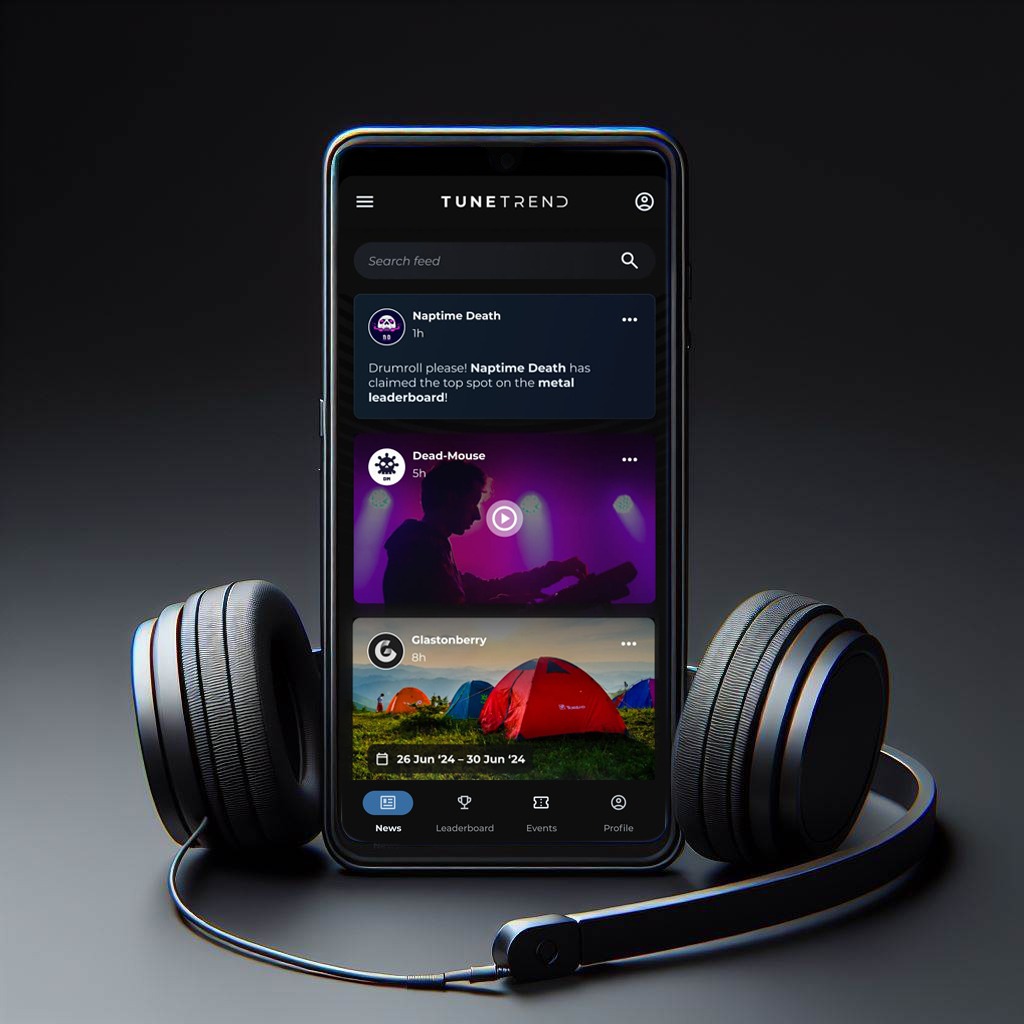
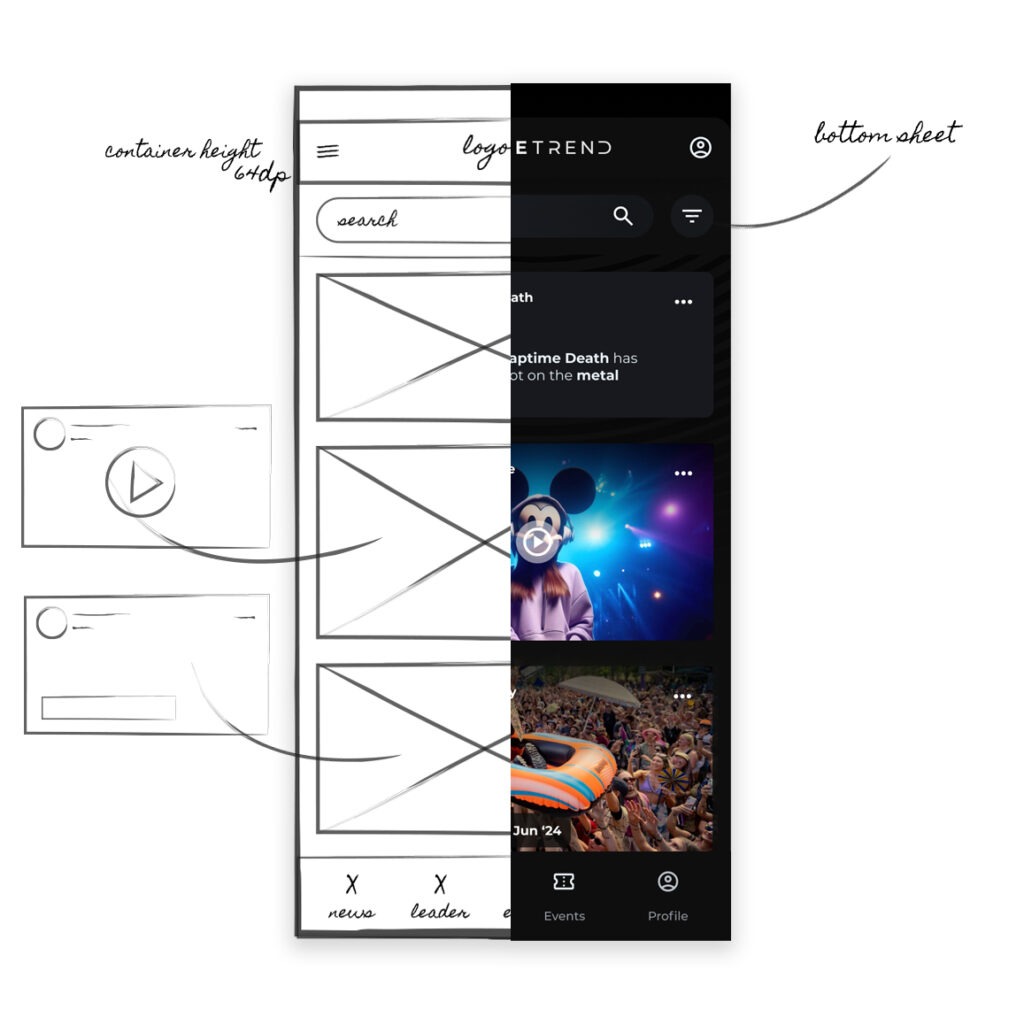
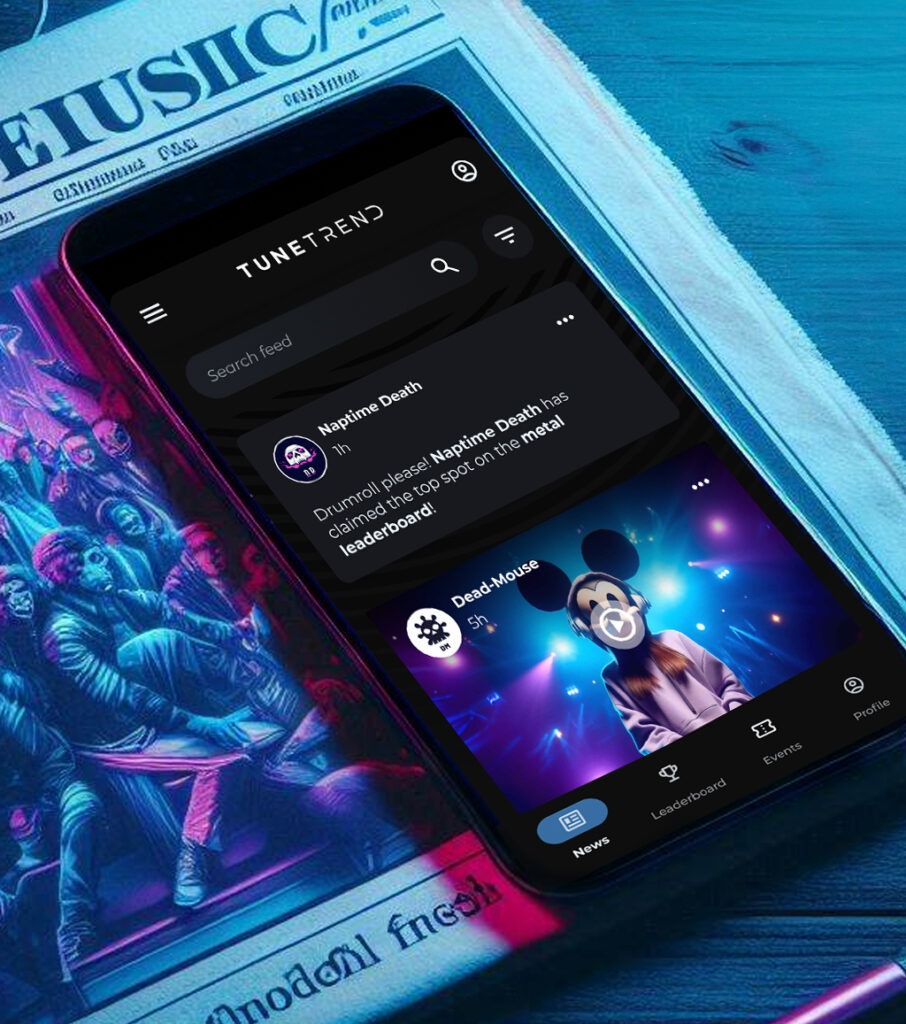
The home page of TUNETREND features a dynamic newsfeed, delivering the latest updates and personalised content seamlessly.
The newsfeed will be accessible to both guests and signed-in users. However, signed-in users will benefit from uniquely tailored content customised to their preferences and interests, offering a dynamic blend of content aligned with their musical tastes and interests.
To enhance user experience and efficiency in navigating the newsfeed, I implemented robust filter and search functionality aligned with the heuristic of “Recognition Rather Than Recall.” This approach ensured that options for filtering and searching were prominently visible and easily accessible, minimising the user’s memory load and facilitating quick access to relevant information.
Through a heuristic match between the system and the real world, the newsfeed algorithm prioritise personalised recommendations, trending tracks, upcoming events, artist spotlights, and community-generated content such as reviews and discussions, similar to the content commonly found in a real newspaper.
By harnessing user data and behavioural patterns, the platform can deliver a seamless experience that not only keeps users engaged but also fosters discovery, connection, and a sense of belonging within the vibrant music community.
USER AUTH
Developing authentication for a music-driven social media platform involves creating a seamless interface that mirrors real-world security measures while prioritizing user convenience. By employing heuristic matching between the system and real-world authentication practices, the platform can implement robust yet user-friendly methods such as email verification, social media logins, or biometric authentication like fingerprint or facial recognition. This ensures that users can securely access their accounts while enjoying the immersive music experience without unnecessary barriers. Additionally, incorporating multi-factor authentication adds an extra layer of security, aligning with contemporary digital authentication standards and safeguarding user data from potential threats.
PROFILE
Crafting user profiles for a music-driven social media platform involves integrating features that resonate with real-world identity formation while catering to users’ musical interests. Through a heuristic match between the system and the real world, profiles should allow users to express their musical identity. Incorporating customisable features such as profile pictures, cover photos, and bios enables users to personalise their digital presence, fostering a sense of belonging within the music community. Additionally, users can create individual profiles but opt to be hidden when creating a band profile, addressing a common pain identified through the CX process. This innovation streamlines the experience for musicians who prefer communicating solely through a band page, eliminating the need to maintain separate profiles and pages.
EVENT CREATION & MANAGEMENT
Designing event creation and management features for a music-driven social media platform involves aligning digital functionalities with real-world event planning processes. Through a heuristic match between the system and the real world, the platform should offer intuitive tools for users to seamlessly create, promote, and manage music events. This includes event scheduling, venue and artist selection, and promotional tools like event invites and social sharing. Additionally, incorporating interactive elements such as event RSVPs, attendee lists, and live updates enhances user engagement and fosters a sense of community around music events. Integrating a calendar view is essential, providing users with a clear overview of upcoming events, enabling easy scheduling, RSVPs, and ensuring organisers can manage dates effectively. Overall, these features enhance the user experience, providing a convenient and visually appealing way to interact with music events on the platform while continuously optimising based on user feedback and behavioural data.
VOTING SYSTEM
Incorporating a voting system for favourite artists and venues based on GPS location ensures authenticity and eliminates fraud on a music-driven social media platform, aligning digital mechanisms with real-world participation. Through heuristic matching between the system and reality, users can securely cast their votes only when physically present at the event, enhancing the credibility of results. By leveraging GPS technology, the platform verifies users’ locations, ensuring that their input accurately reflects their on-site experience. This not only fosters a genuine sense of engagement within the community but also promotes fair competition and recognition for artists and venues. Moreover, the system can employ additional security measures such as time constraints and user validation to further enhance the integrity of the voting process. Additionally, the system ensures fair play between big and small bands, where larger bands may have fewer shows but with larger crowds voting, while smaller bands must work harder by participating in more events to garner votes, creating an equitable platform for all musicians.
LEADERBOARD
Designing a leaderboard for musicians by genre and venues by province on a music-driven social media platform entails creating a meticulously crafted system that reflects real-world engagement while maintaining freshness and relevance. Through heuristic matching between the system and reality, the leaderboard tracks musicians’ and venues’ activities, such as performances, collaborations, technicality, and audience engagement, to determine rankings by attendees’ votes within their respective categories. However, to ensure ongoing relevance and fairness, points on the leaderboard expire periodically, allowing newer activities to influence rankings and keeping the leaderboard up-to-date. This approach not only encourages consistent engagement among musicians and venues but also provides opportunities for emerging talent and venues to gain visibility within their communities. Additionally, the leaderboard fosters healthy competition and camaraderie, driving continued participation and growth within the platform’s music ecosystem.
NOTIFICATIONS
Crafting notifications for a music-driven social media platform involves striking a balance between staying connected and respecting users’ preferences. Through heuristic matching between the system and real-world communication norms, notifications should be timely, relevant, and personalised to users’ musical interests and activities. This includes alerts for upcoming events in their area, and interactions such as comments and shares on their posts. Additionally, the platform should offer users control over their notification settings, allowing them to customise their experience based on their preferences and activity level. By leveraging user feedback and behavioural data, the platform can continually refine its notification system to enhance user engagement while minimising disruptions.
SEARCH & DISCOVERY
In designing search and discovery features for a music-driven social media platform, it is essential to align digital functionalities with real-world user behaviours and expectations. Through heuristic matching between the system and the real world, the platform should offer intuitive search capabilities that enable users to easily find music, artists, and events based on their preferences. This involves implementing filters for genres, artists, albums, and locations, allowing users to narrow down their search results effectively. Additionally, the platform should leverage machine learning algorithms to provide personalised recommendations tailored to users’ listening habits and interactions within the platform. By continuously analysing user data and feedback, the platform can refine its search and discovery algorithms to enhance accuracy and relevance, ultimately fostering a seamless and satisfying user experience.